
In Conversation with Shiroug Idris
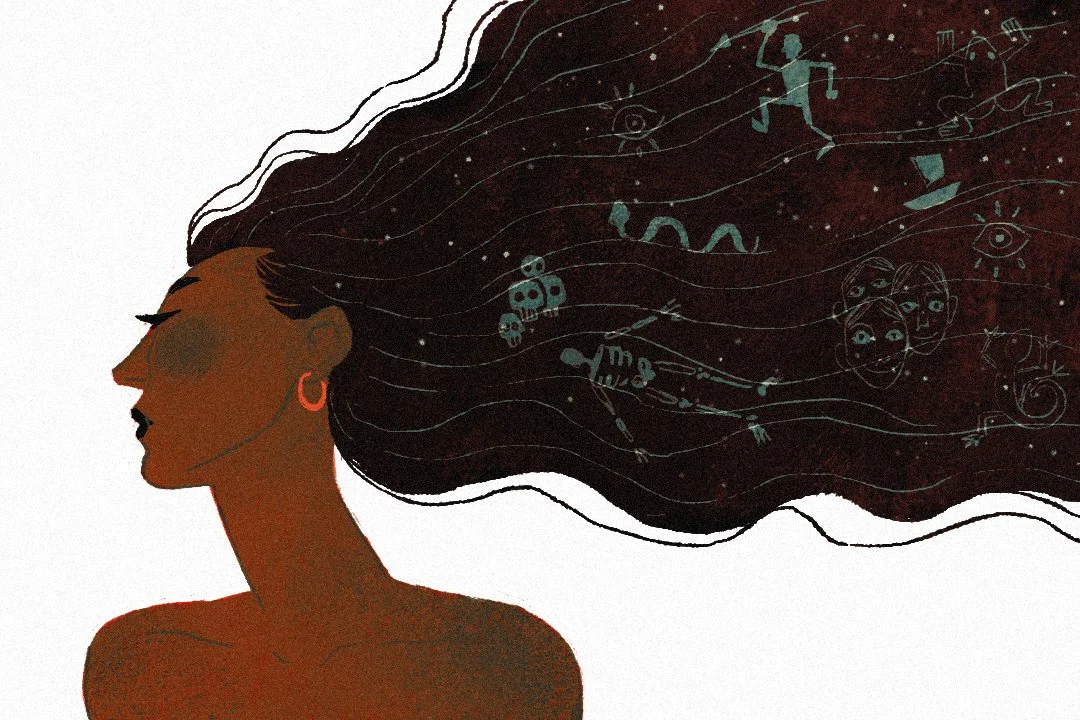
Shiroug Idris, Sudanese artist, illustrator and medical doctor. © Shiroug Idris
Sudanese doctor and award-winning artist Shiroug Idris works in children’s illustration and comics. She grew up in Khartoum and spent part of her childhood in Uganda and Malawi. In 2025, she received the Mahmoud Kahil Award in the Children’s Book Illustration category.
She is now developing The Girl Who Spoke to the Nile, her first book as both author and illustrator, through the Illustrated Arab programme. The story draws on Nubian heritage and Sudanese folklore, bringing them into a contemporary narrative with themes that feel both current and universal.
In our conversation, Shiroug talks about balancing medicine and art, the books and cartoons she loved as a child, and what it means to finally work on a story of her own.
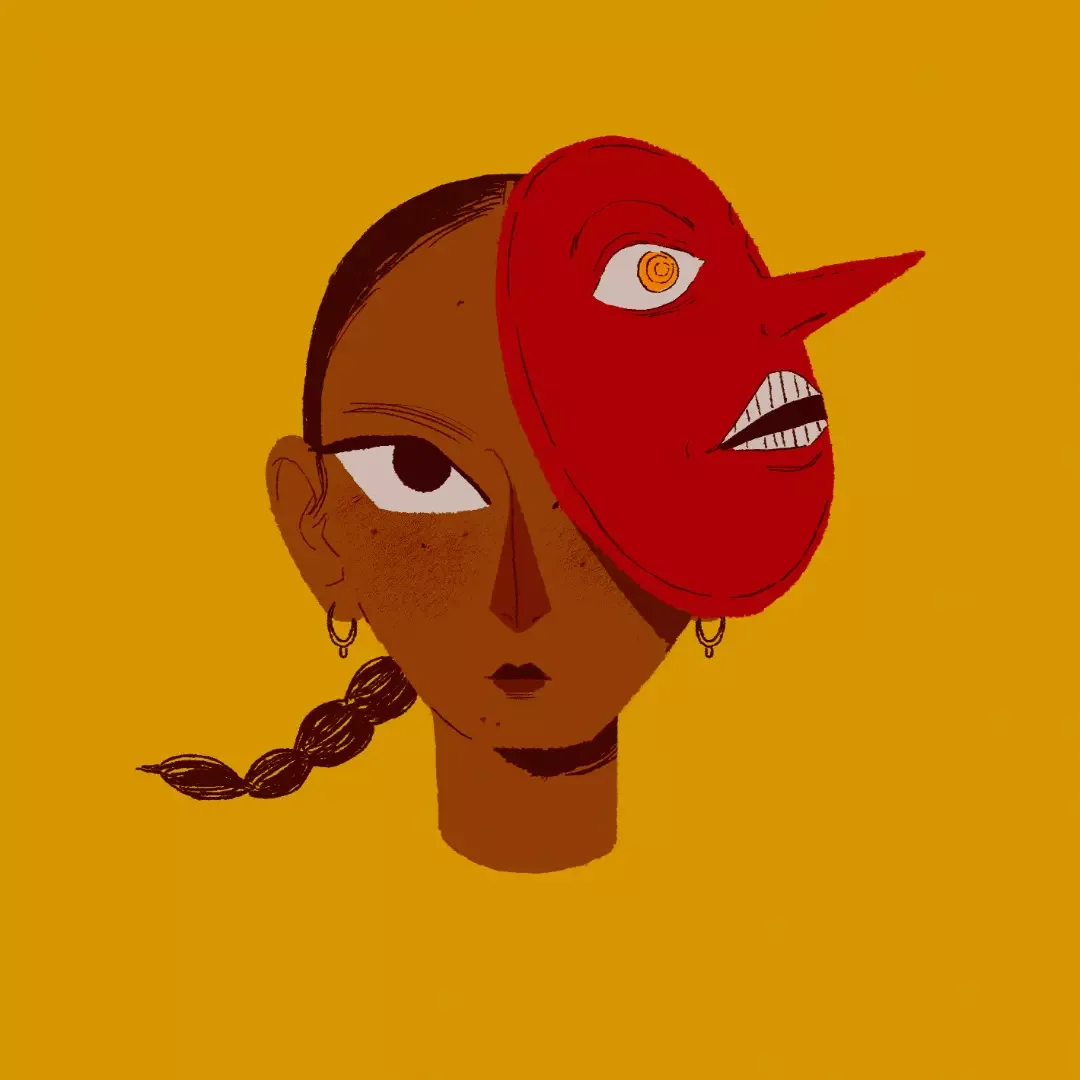
Self Portrait © Shiroug Idris. Courtesy of the artist.
Illustrated Arab: Let’s begin simply. How would you introduce yourself, and where are you today?
Shiroug Idriss: I am a doctor and an artist based in Sudan. I grew up in Khartoum and I am currently in Medani, in Gezira State.
Illustrated Arab: You are building both a medical career and an artistic practice. What does that balance look like in everyday life?
Shiroug: I still feel that I am at the beginning in both. I am currently a medical and nutrition officer with Save the Children, alongside my freelance practice as an illustrator for children’s books and comics. I have been developing my artistic practice for about five years.
Most days, I get up and head to the office, then try to return to my art afterwards. The organisation is not far from my home, but drawing digitally can be difficult because of the frequent electricity cuts. By the end of the day, I often have little energy left to draw.
As a doctor, I can see the direct outcome of what I do. But if I had the choice, I would spend the rest of my life drawing.
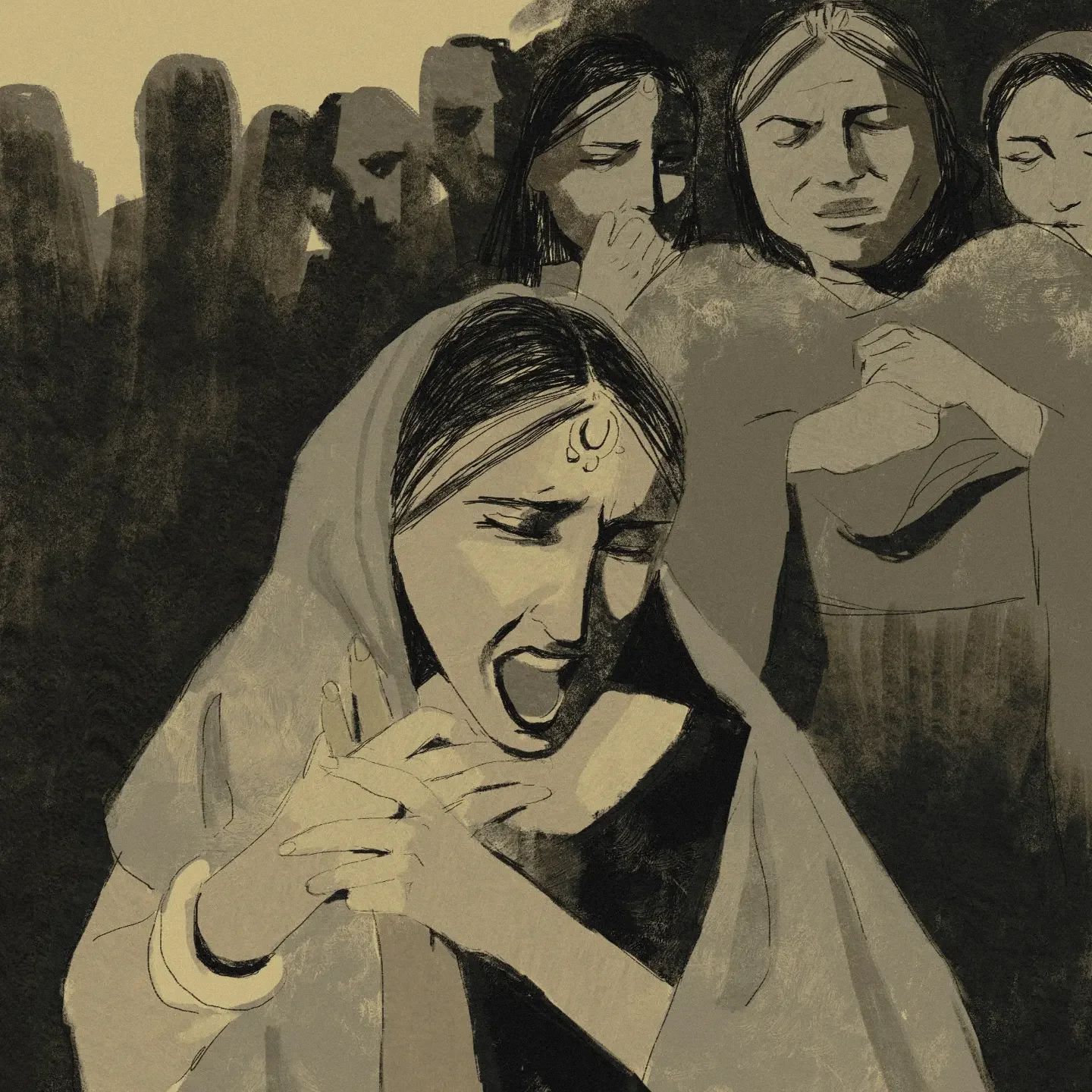
A scene from Tajouj. © Shiroug Idris. Courtesy of the artist.
Illustrated Arab: Has drawing always been part of your life?
Shiroug: I think I have been drawing since I first learned how to hold a pencil. My mother taught me how to draw stick figures when I was little, and although she didn’t draw much herself, art was also part of my family through my maternal grandfather. He was an artist and a teacher, although I never had the chance to meet him.
Illustrated Arab: You spent part of your childhood outside Sudan. Did that change your relationship with images?
Shiroug: For most of my life, I have lived in Sudan, but I also spent two years in Uganda and five years in Malawi. I moved to Malawi when I was seven, and there was a language barrier. Everything around me was in English, while I came from an Arabic-speaking environment.
Picture books came to hold a special place in my heart. I could not yet read English, but the images helped me understand the stories and carried meaning even when the words were inaccessible to me. It was similar with television. I became obsessed with cartoons because I could follow what was happening through the images, even when I did not understand the language.
“Picture books came to hold a special place in my heart because I could not yet read English, but the images helped me understand the stories. They carried meaning even when the words were inaccessible to me.
”
Illustrated Arab: That experience seems closely connected to how you now think about illustration and authorship.
Shiroug: Yes, living in Uganda and Malawi also opened my eyes to different kinds of art and storytelling. I encountered children’s books with very high production and printing quality, although many had been published outside those countries. In Sudan, children’s books have often remained more traditional in their approach, but there is a great deal of creative potential.
I saw this when I participated in Hajitek¹, a competition that brought illustrators and writers together. The work produced through those collaborations was unlike anything I had seen elsewhere. The stories were different, and so were the artistic styles.
For me, an illustrator is also an author, because the images are part of the storytelling. That comes from my own experience: when I could not read the words, the pictures still allowed me to follow the story.
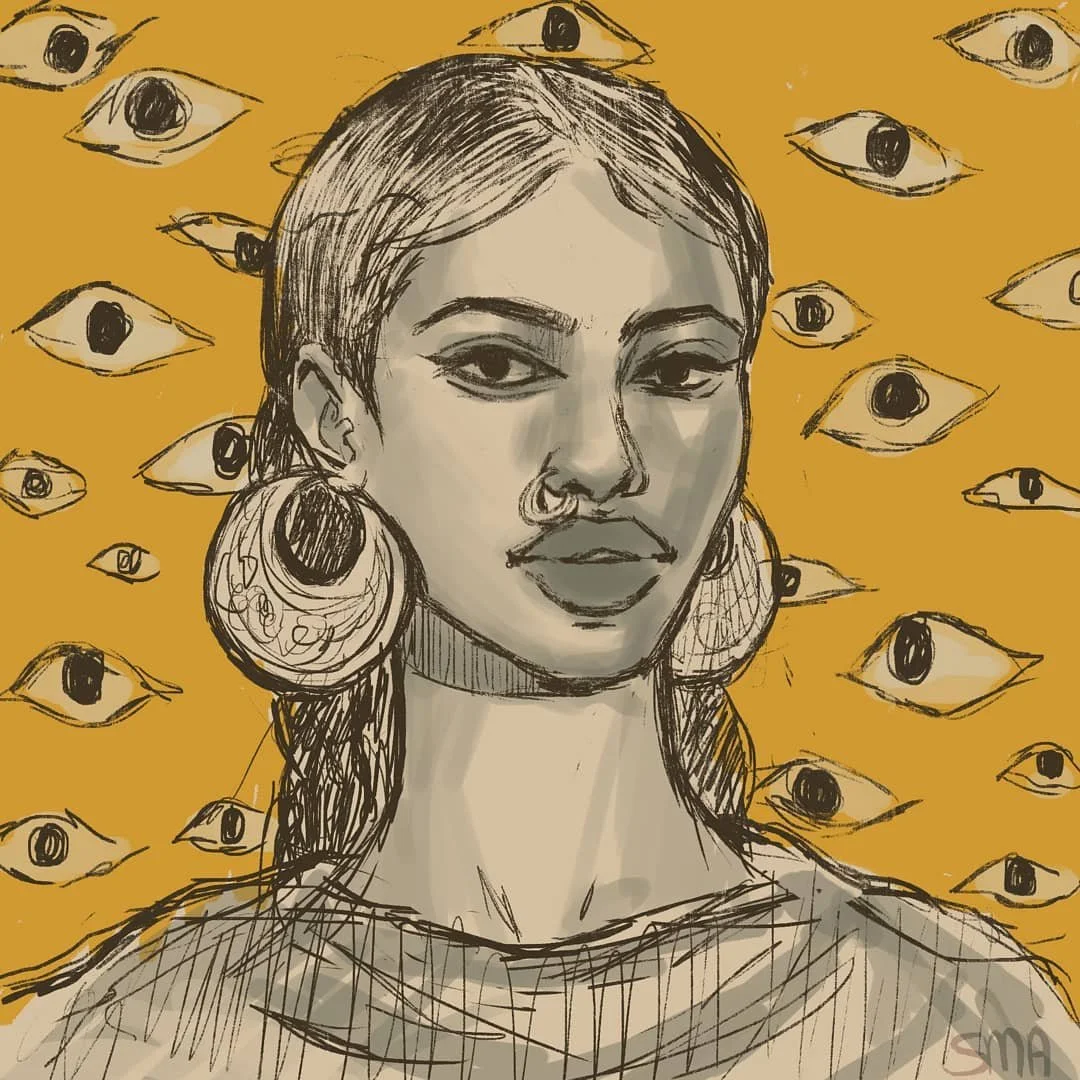
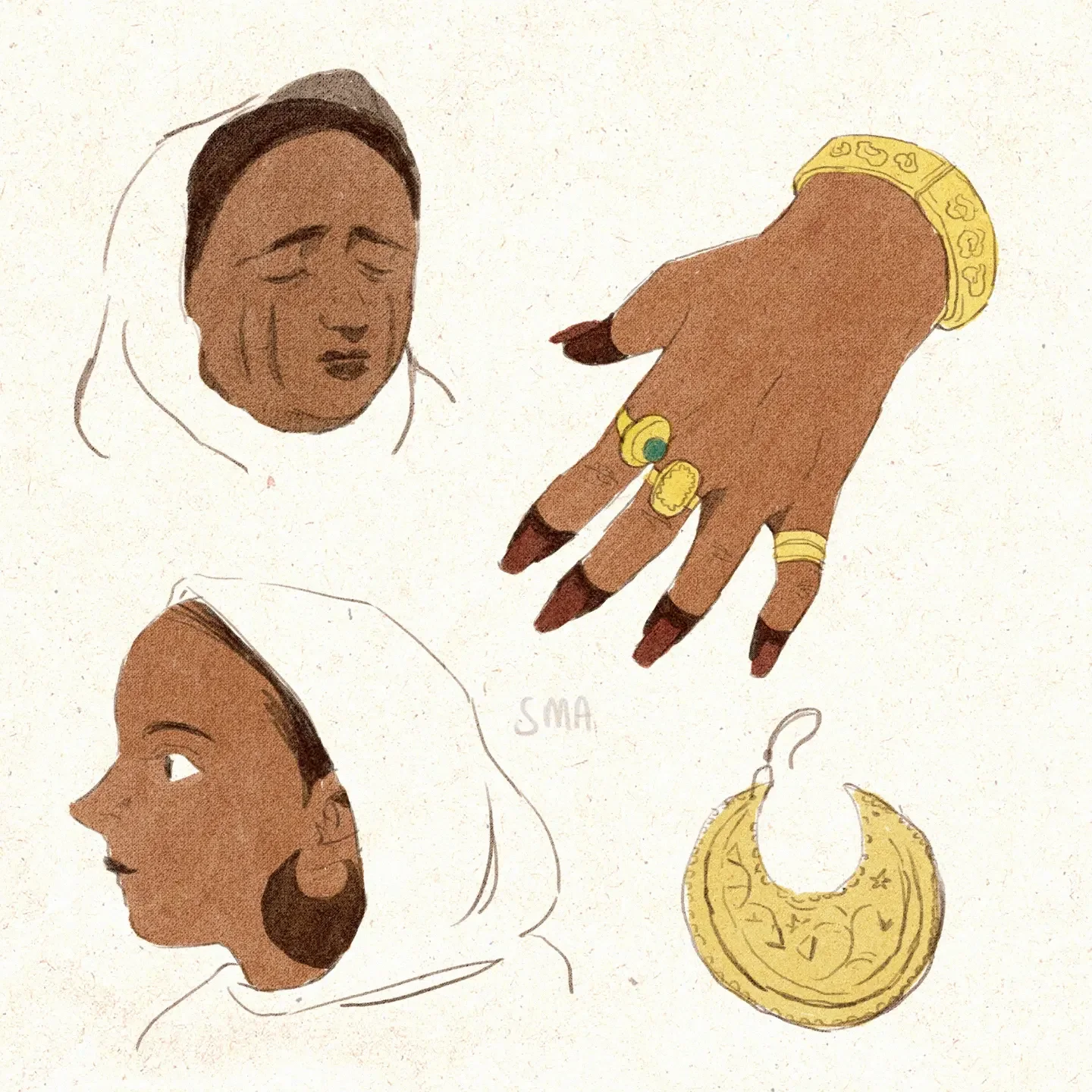
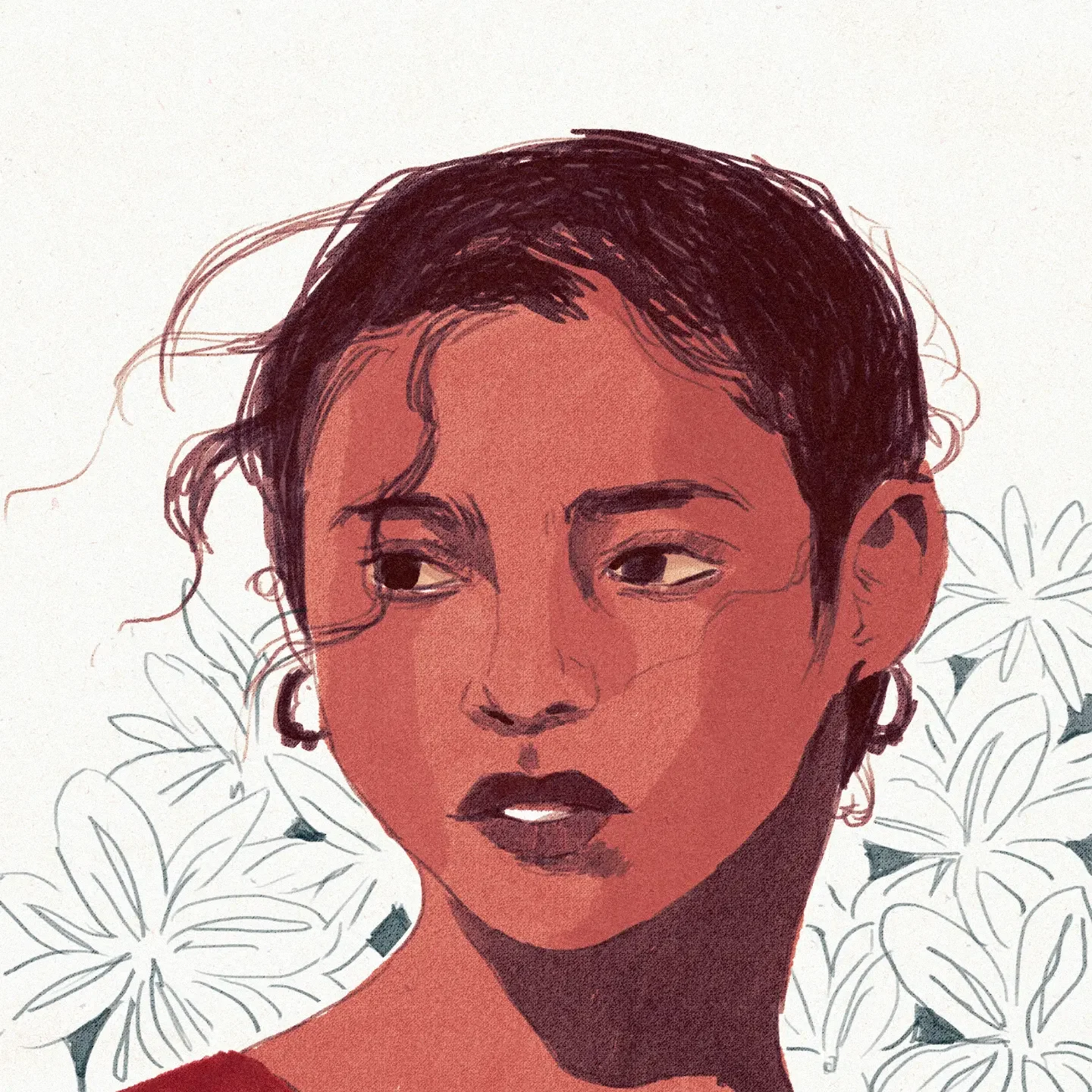
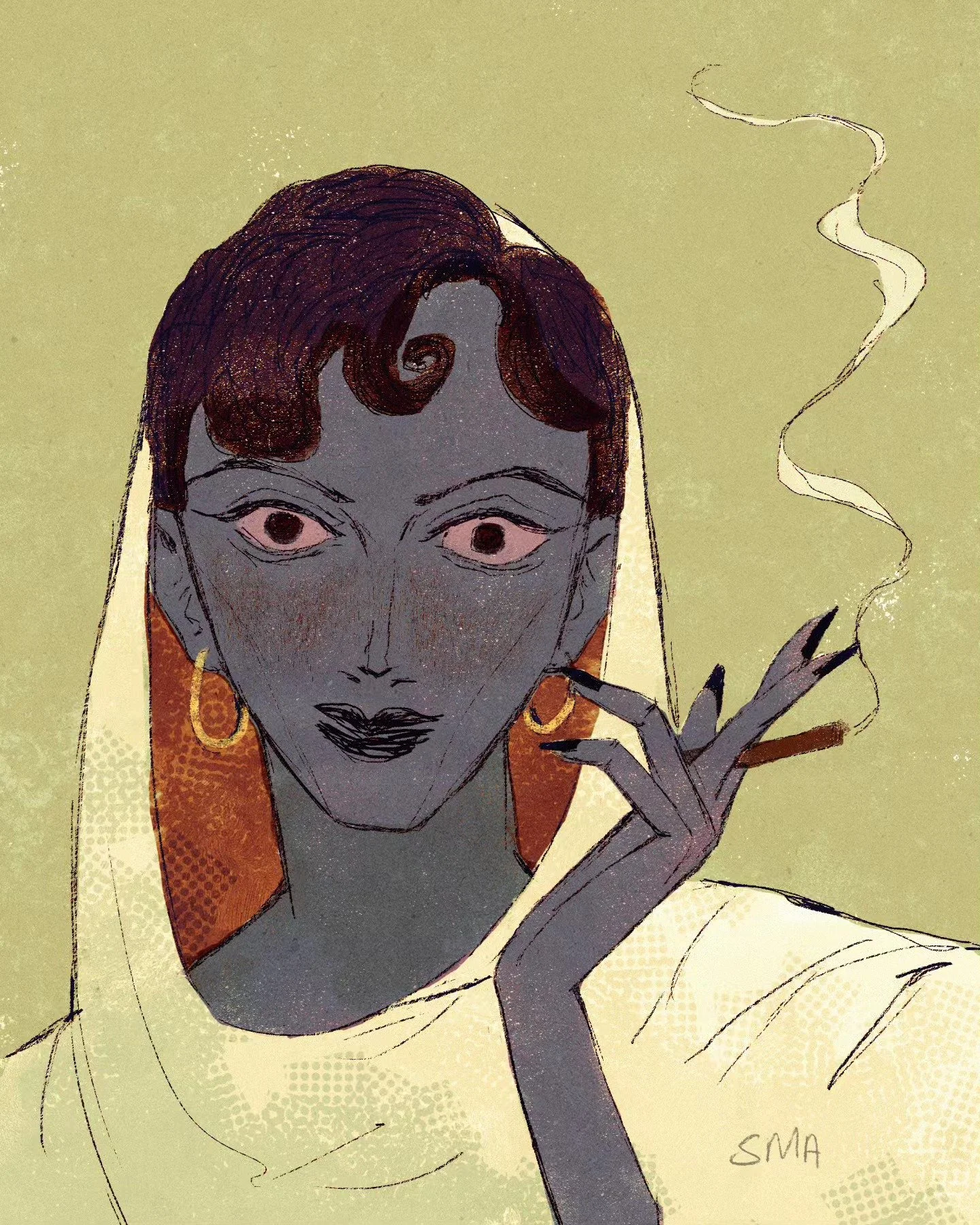
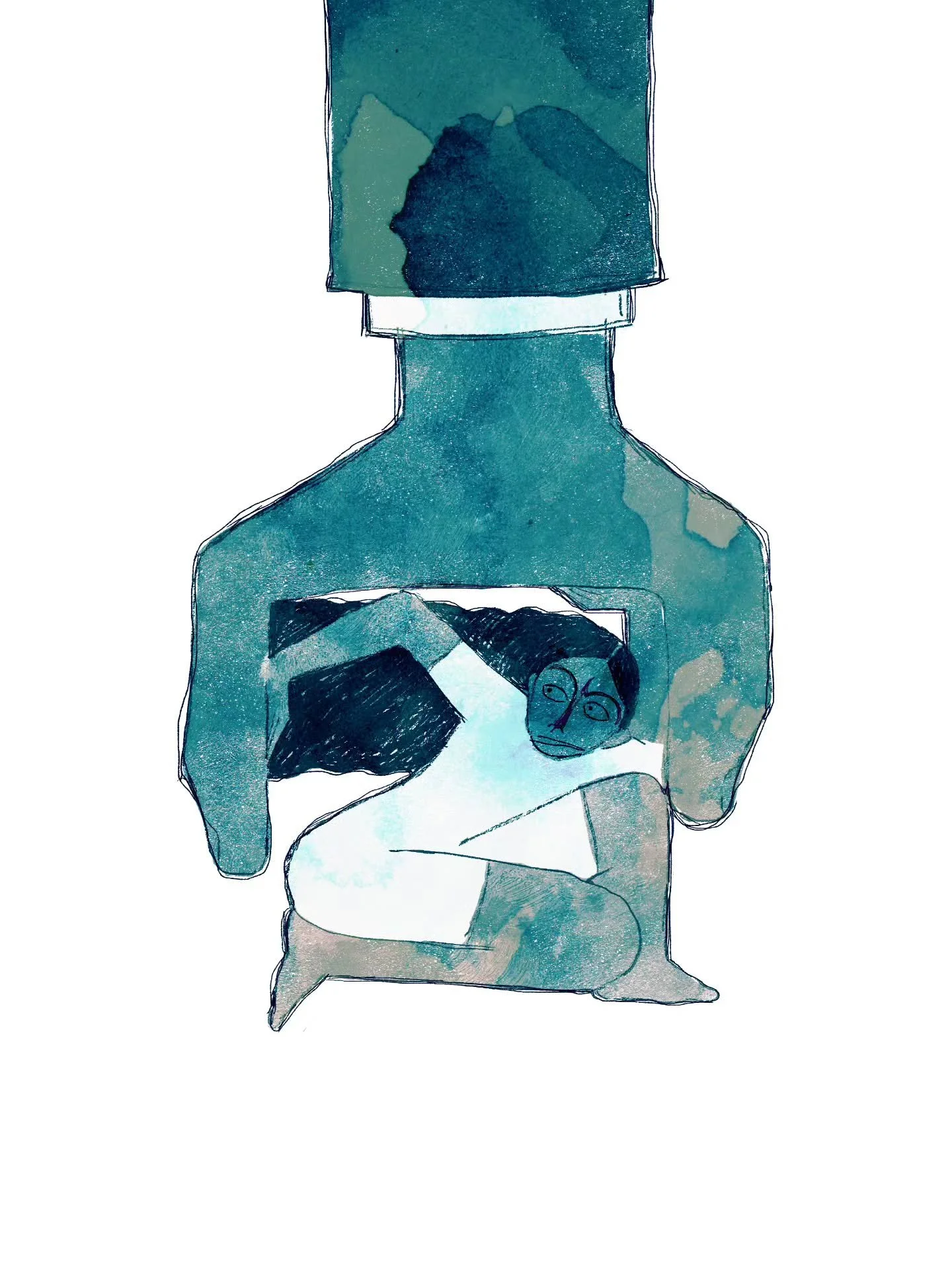
© Shiroug Idris. Courtesy of the artist.
Illustrated Arab: What do you think makes Sudanese storytelling distinctive?
Shiroug: There is something particular about Sudaneseness itself, rooted in a culture that many people outside the country have had little exposure to. Sudanese culture brings together different African and Middle Eastern influences, and that combination gives its stories a character of their own.
““Sudanese culture brings together different African and Middle Eastern influences…””
Illustrated Arab: In 2025, you received the Mahmoud Kahil Award for Children’s Book Illustration.² What did that recognition mean to you, and did it change the way you saw your work or what you wanted to do next?
Shiroug: Receiving the award gave me confidence, and it was very meaningful to have my work recognised. Getting to know artists from different countries, and hearing about their stories, experiences, and creative processes, was also incredibly inspiring.
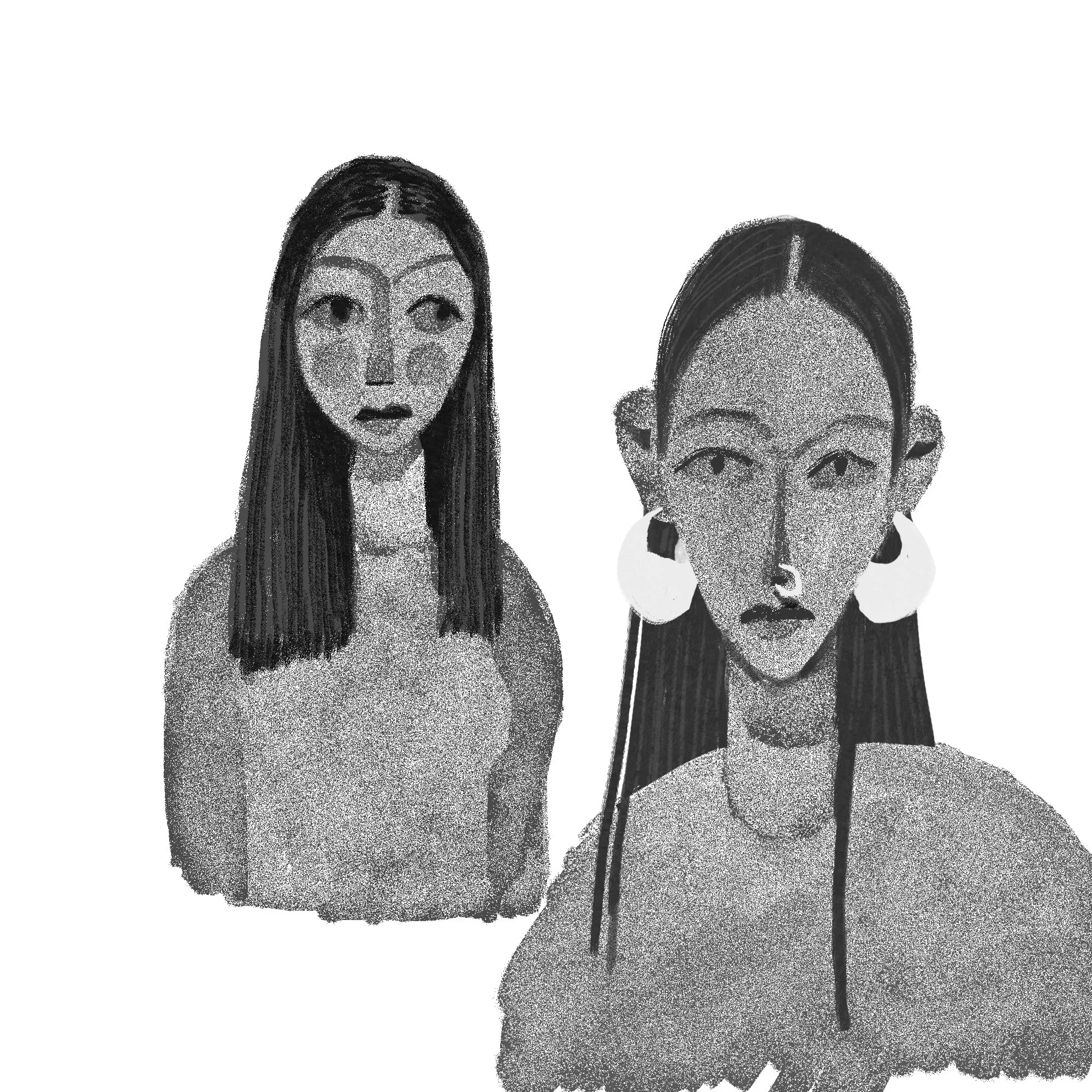
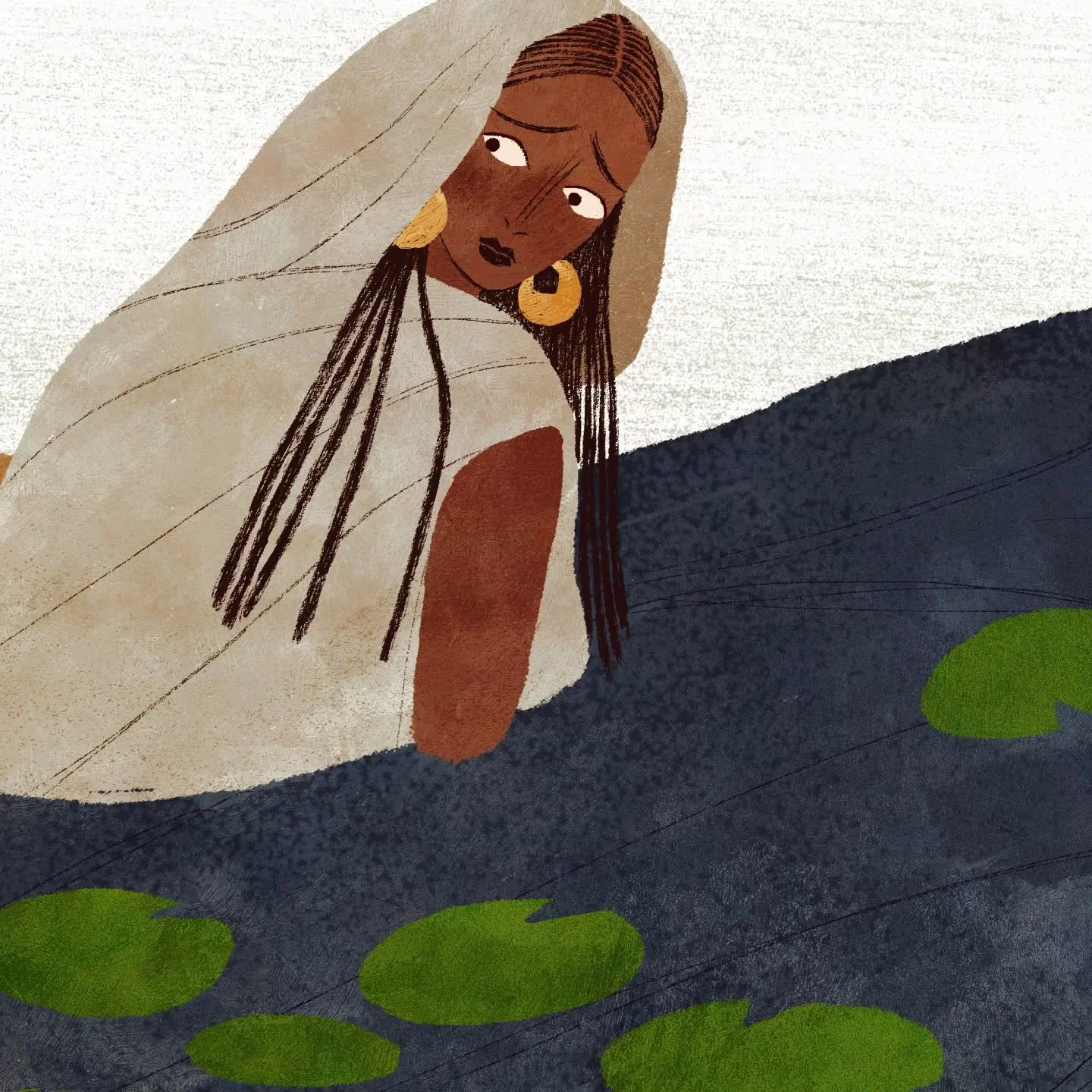
Work-in-progress character sketches from Shiroug Idris’s book project, currently being developed with Illustrated Arab. © Shiroug Idris. Courtesy of the artist.
Illustrated Arab: Let’s turn to The Girl Who Spoke to the Nile. Where did the idea come from?
Shiroug: The story draws on the “Bride of the Nile” legend, often told as a story of sacrifice. In my book, however, that sacrifice takes place metaphorically. I wanted to take something rooted in Nubian heritage and Sudanese folklore and bring it into a contemporary story.
This matters deeply to me because so much of Sudan’s ancient and Nubian history has been erased. Historical artefacts have been lost, and the war has brought further destruction. That makes it feel especially important to tell this story now.
The book also reflects on women’s lives and rights today. Culture can hold things that are beautiful, but also traditions that can hold society back. At the heart of the story is the bond between two sisters. That relationship is personal to me, as I am an older sister myself.
“This matters to me because so much of Sudan’s ancient and Nubian history has been erased. Historical artefacts have been lost, and the war has caused further destruction. It feels especially important to tell this story now.”
Illustrated Arab: You first imagined the story several years ago. What happened between that first idea and the project you are developing today?
Shiroug: I first thought about the concept around four years ago, but then I put it on the shelf. The hardest part has been developing the writing. Drawing is the easiest part for me. Thinking through the plot, the characters’ dilemmas and what I really want the story to say has been much more difficult.
Working on the project through Illustrated Arab has helped me develop those ideas more clearly. It has also made me think more carefully about how the story will be represented visually.
I had never worked closely with an editor before. Having elements of the story questioned or challenged was difficult, but also necessary.
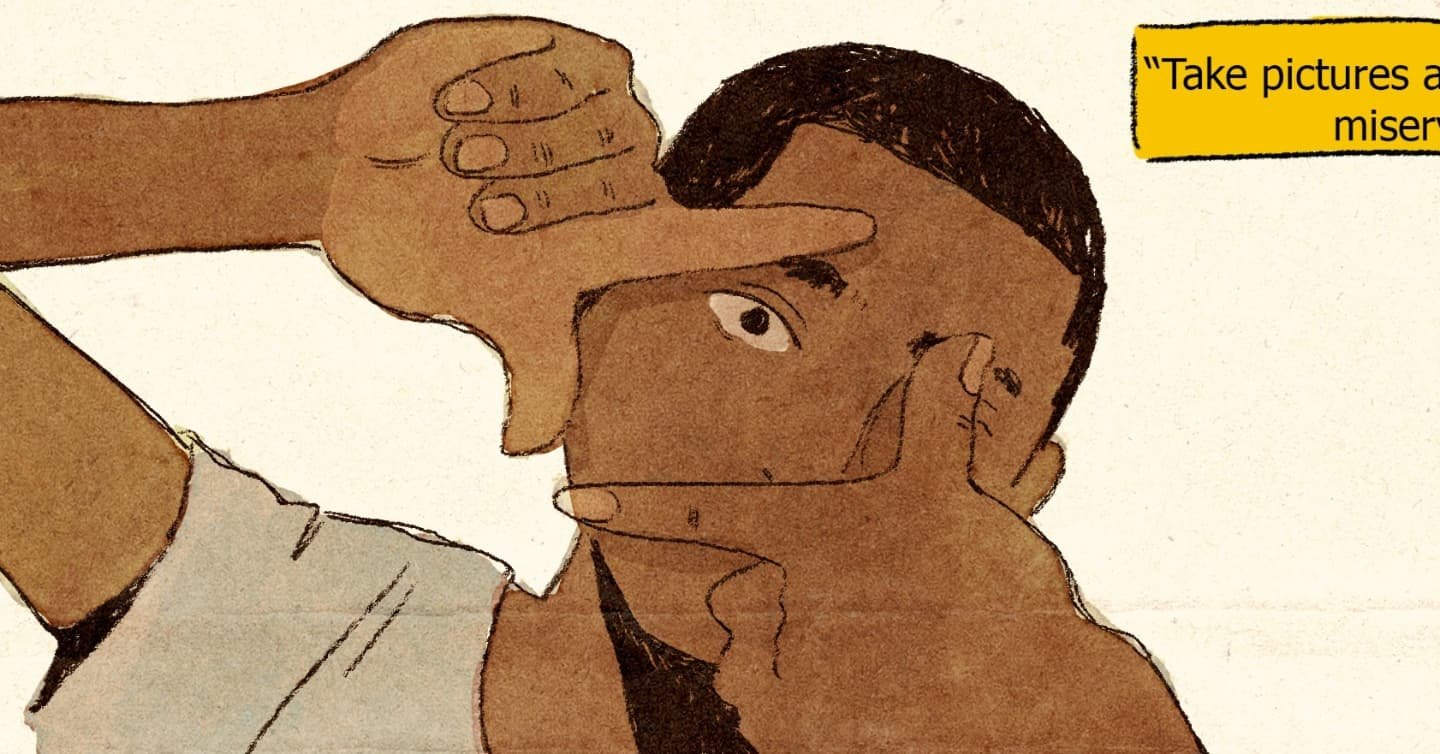
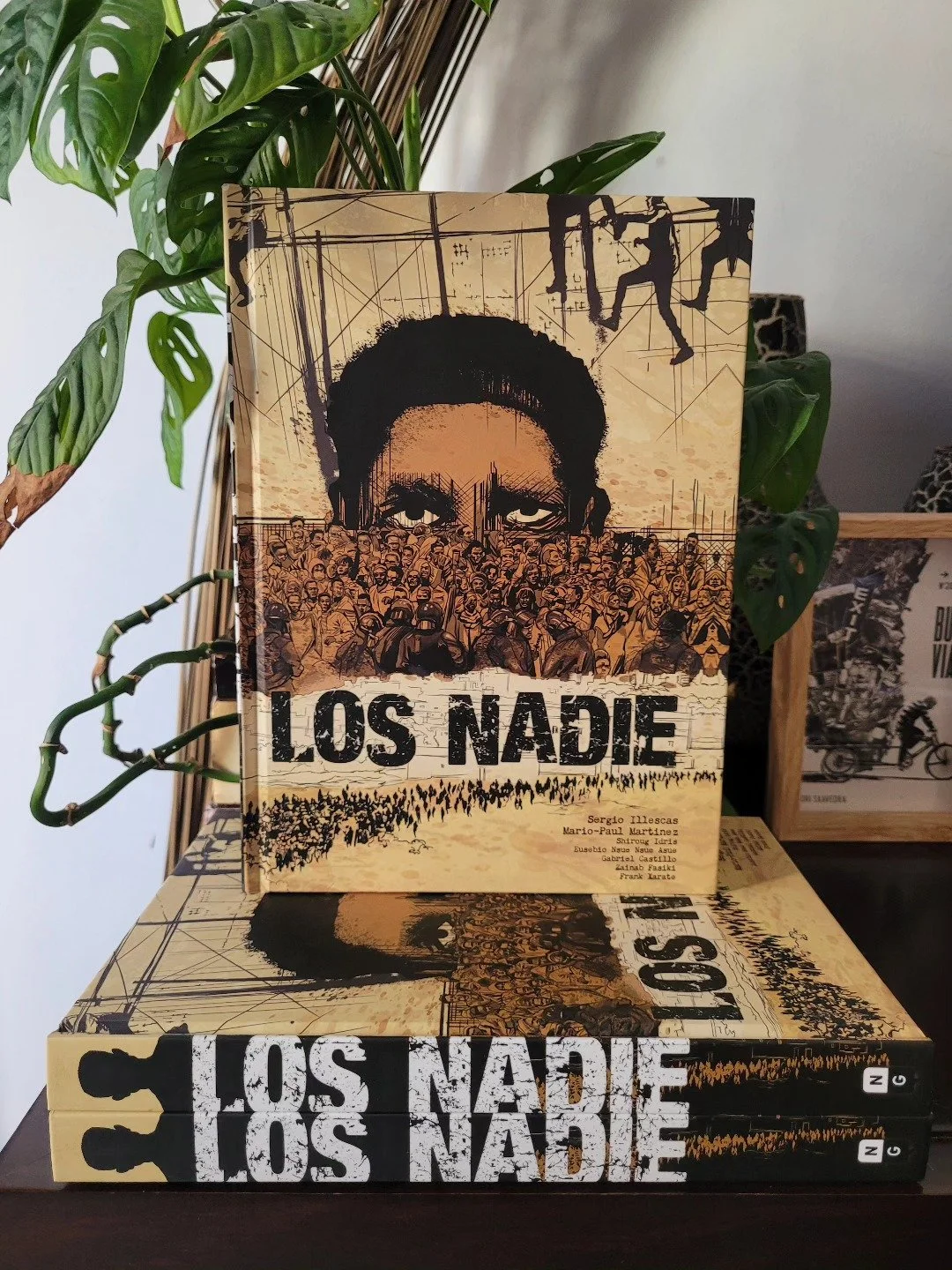
From Los Nadie, published by Dolmen Editorial (2025). Illustration by Shiroug Idris. © Shiroug Idris. Courtesy of the artist.
Illustrated Arab: You said earlier that you see the illustrator as an author. How has developing your own book changed your understanding of that role?
Shiroug: My previous work with authors was usually commissioned. There was very little exchange, and I did not really have a say in the story, even when there were parts I wanted to contribute to. The instructions were essentially: draw this, this and that. There was not much freedom to bring in my own perspective.
Now I have that freedom, which is good, but it also makes me understand why I need an editor. Sometimes I wonder whether the story is strong enough, whether its central idea is coming through clearly, or whether it might be understood in a completely different way. Ultimately, every reader will bring their own interpretation.
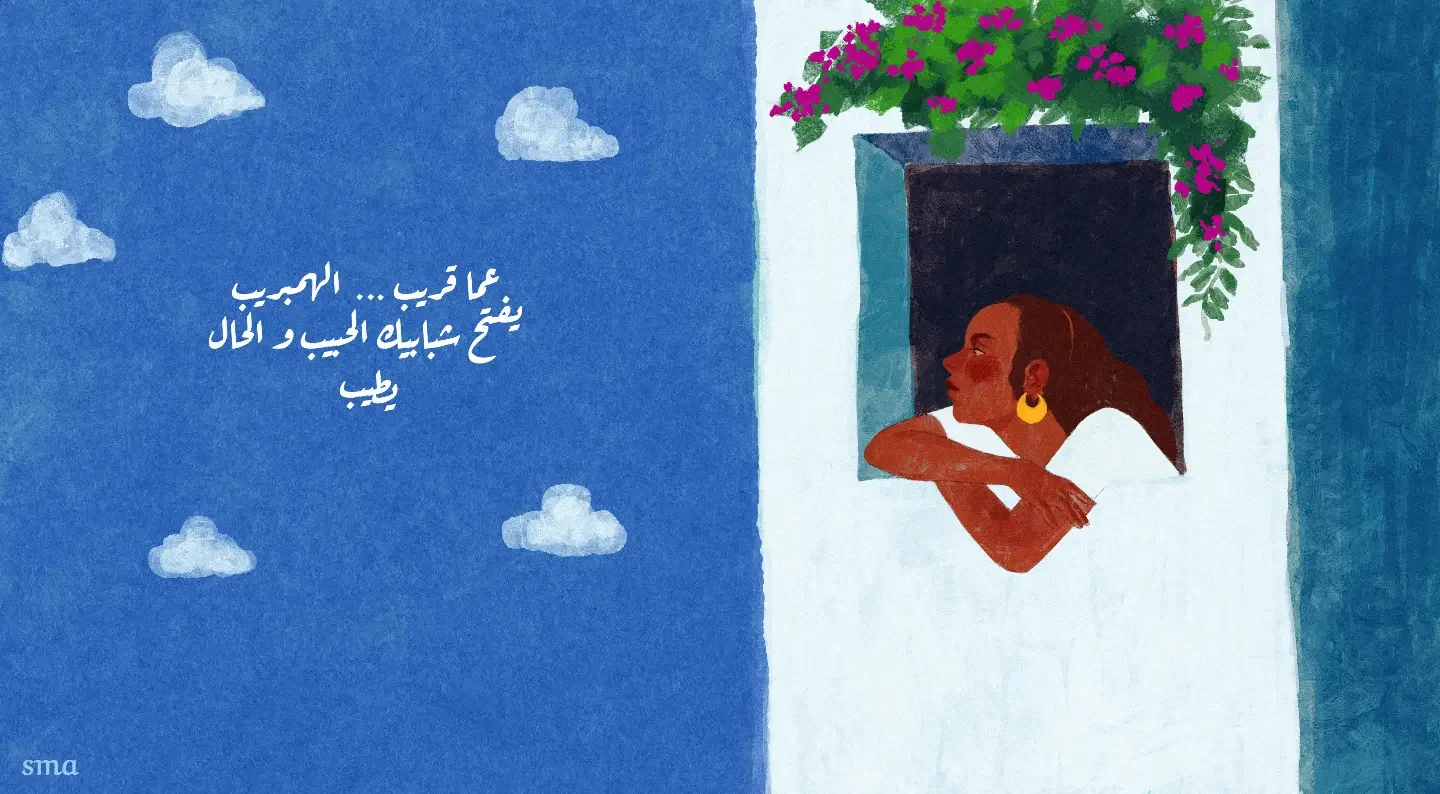
Illustration by Shiroug Idris. © Shiroug Idris. Courtesy of the artist.
Illustrated Arab: Do you think about how readers outside Sudan might receive your work?
Shiroug: With most of the things I make, I do not create them while thinking about how other people will perceive them. If I focus too much on that, I feel it will kill the work.
But I know what it feels like to encounter something completely new. I remember when my French teacher showed us Kirikou when I was ten or eleven. It has stayed with me ever since. If my story could have that kind of effect on someone, whether in Sudan or elsewhere in the world, that would be amazing.
Illustrated Arab: What would you like readers who are unfamiliar with Sudan to take from the book?
Shiroug: I would like it to open a world that may be unfamiliar to them, through the story as well as the images. I do not want to decide exactly what readers should think or feel, but I would love for the book to remain with them and make them curious about the world it comes from.
Illustrated Arab: Finally, as you look ahead, what would you like to make space for in your work?
Shiroug: I am turning thirty, and I sometimes feel that I have not done very much yet. When I was twenty-five, I expected that by now I would already be creating my own stories. That is what I want to make space for now: work that is truly mine, in which I can develop both the words and the images.
Illustrated Arab: Thank you for sharing this moment with us.
Discover Illustrated Arab
Discover more stories, artists and projects from the Illustrated Arab programme.
¹ Hajitek is a Sudanese initiative bringing together writers and illustrators to develop original children’s stories through a collaborative competition.
² The Mahmoud Kahil Award, established in 2014, is an annual award organised by the Rada and Mutaz Sawaf Center for Arab Comics Studies at the American University of Beirut. It recognises comics, editorial cartoons and illustration from across the Arab world.
